The Hidden Cost of a Slow Website
A three-second website delay silently erodes your bottom line by killing conversions, wasting ad spend, and tanking your search engine rankings.
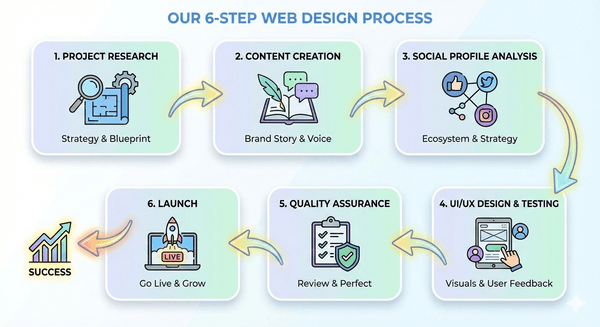
This blog post outlines a structured 6-step web design process—spanning from initial research and content creation to user testing and launch—designed to provide transparency and ensure a successful digital presence for businesses.
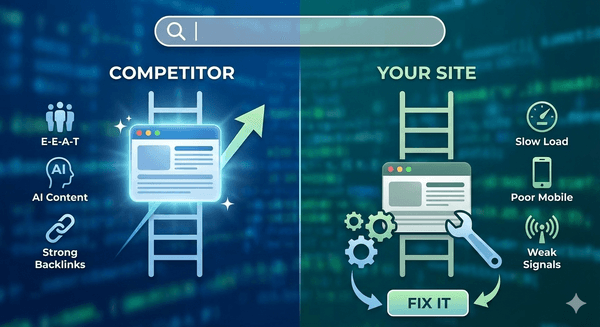
Competitors often outrank you by excelling in E-E-A-T signals, AI-optimized content, technical performance, and backlink authority, but you can reclaim your position by auditing these specific gaps and implementing a targeted, multi-faceted SEO strategy.
To remain competitive in 2026, a website redesign is necessary if your current site is leaking revenue due to slow speeds, poor mobile optimization, a lack of AI-driven personalization, outdated visuals, or invisibility to AI search assistants.
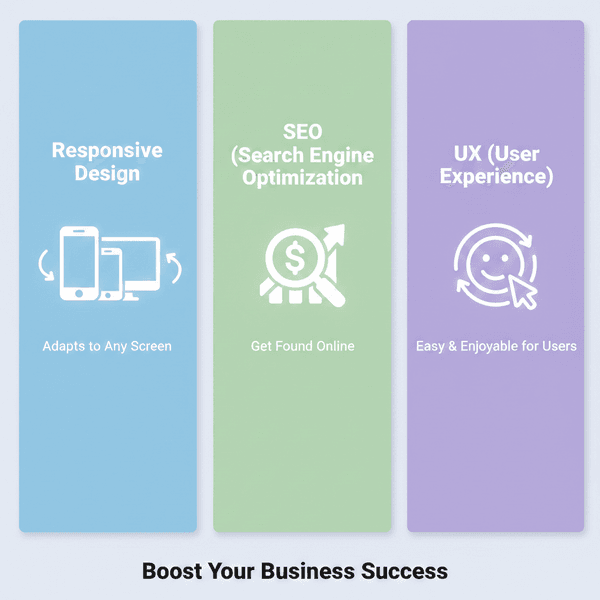
Responsive Design, SEO, and UX are essential web design concepts that directly impact your bottom line: they ensure your website works flawlessly on any device, gets found by search engines, and provides an easy, enjoyable experience for visitors. Understanding these terms empowers you to invest in a high-performing site that retains customers and drives more sales.
To prepare your business for 2025, conduct a quick 9-point website self-audit covering technical necessities like mobile speed and security, user experience factors like clear messaging, and growth elements such as fresh content and local SEO. If your score reveals a "Danger Zone" or "Liability," it indicates a need for immediate action to stop losing revenue and should prompt you to take advantage of a professional video audit.
To effectively generate leads, every small business website must feature five essential pages: a Homepage with a clear value proposition, dedicated Service/Product Pages that detail client benefits, an About Us Page to build crucial trust, a Contact Us Page with multiple accessible options, and a Blog/Resources Page to establish authority and attract organic traffic. These pages form the strategic backbone necessary to convert visitors into qualified prospects.
A stress-free website launch requires rigorous pre-launch testing of content, functionality, and SEO, followed by critical post-launch steps like setting up 301 redirects and monitoring Google Analytics to ensure optimal performance from day one.
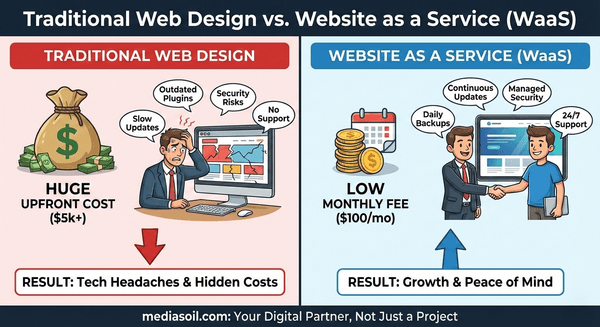
The cost of building a new website varies widely, similar to building a custom home, and depends primarily on its complexity (features and custom design). Costs are also driven by who you hire (DIY, freelancer, or agency) and the essential ongoing expenses like hosting, maintenance, and marketing.
To move beyond sporadic content and unlock your social media potential, businesses must adopt a strategic posting approach that is intentional and goal-oriented. This involves knowing your audience, planning a consistent content calendar, optimizing posting times, and using analytics to refine engagement.